TouchScreenTravels logo

TouchScreenTravels

Our Touch, your Travels…

This is a preview of the full content of our Peru’s Best app.

Please consider downloading this app to support small independent publishing and because:

  • All content is designed for mobile devices and works best there.
  • Detailed in-app maps will help you find sites using your device’s GPS.
  • The app works offline (one time upgrade required on Android versions).

The app will also allow you to:

  • Add custom locations to the app map (your hotel…).
  • Create your own list of favourites as you browse.
  • Search the entire contents using a fast and simple text-search tool.
  • Make one-click phone calls (on phones).
iOS App Store Google Play

Birdwatching

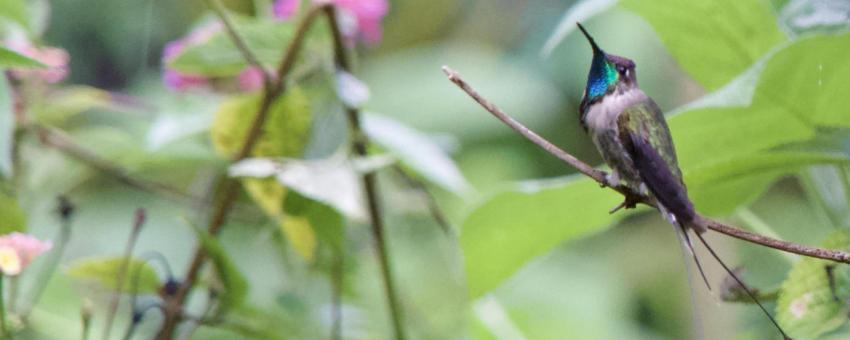
Endemic Marvelous Spatuletail hummingbird

Peru’s geographical variety of coast, mountains and jungle, from sea level up to 6,768 meters (22,205 feet), creates innumerable microclimates, each with its own flora and fauna. These microclimates provide habitat for an astonishing 1,922 species of birds in Peru, with 123 endemic, as of 2024.

The most famous endemic species is the Marvelous Spatuletail (above) but there are another 14 endemic hummingbirds in Peru.

The most famous birds are usually the brightest, especially the Gallito de las Rocas, called the Andean Cock of the Rock in English. Though not endemic, it’s considered the national bird of Peru.

Global Big Day, always held one Saturday in May and one Saturday in October, is Peru’s big chance to attract birders who identify birds and record their identifications on eBird. With verified identifications, new birds are added to Peru’s bird list.
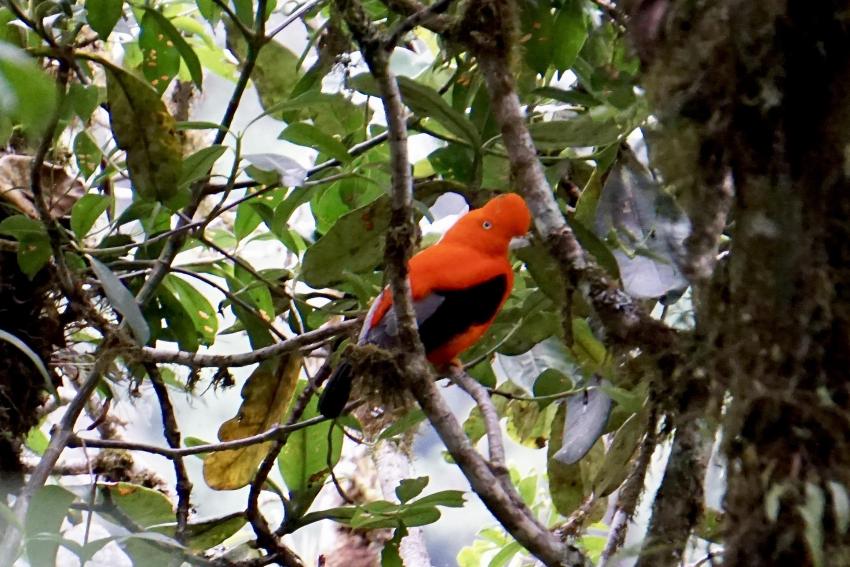
Gallito de las Rocas Manu National Park

Note: Bring all your equipment with you. It’s extremely difficult to get quality binoculars, spotting scopes and cameras in Peru.

Cusco-Manu Birdwatching

Northern Peru Birdwatching

Ballestas Islands

Birding & biodiversity

Birding Tour Agencies

For over 1900 species of birds

Colca Canyon

Condor spotting

Visit a Research Station

The jungle through the eyes of scientists

Text © Heather Jasper

Images by Heather Jasper