1560–1814: Imperial Capital
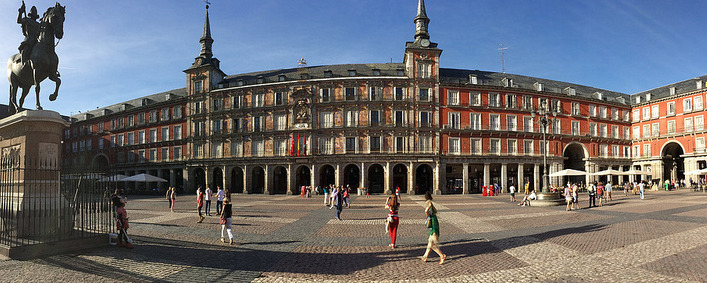
Felipe II's designation of Madrid as imperial capital changed the destiny of the city. There are a few outstanding remains from this era, the most famous of which are the elegant colonnaded Plaza Mayor and the delightful Plaza de la Villa.
The original royal Alcázar was burned down in 1734, replaced by the far more opulent Palacio Real which was built on the orders of Felipe V and which remains one of the city's prime tourist attractions.
Madrid's Imperial era was also a time when wealth from the America's continued to flow into the city, as evidenced by all the pre-Columbian cultural treasures now in the Museo de América.
Madrid's Heyday
In many ways the city reached its heyday under Carlos III (1759-88), known as the "Rey-Alcalde" (King-Mayor) who did much to clean up the medieval squalor of the old city. He also determined to create the grand museums and mansions that now line the Paseo del Prado, including the Prado itself.